Japan

Feel the Future, Embrace the Past, Endless Discovery

About Japan


Japan is an island nation located in East Asia, made up of four main islands and thousands of smaller ones. Known as the "Land of the Rising Sun," Japan offers a unique blend of ancient tradition and modern innovation.

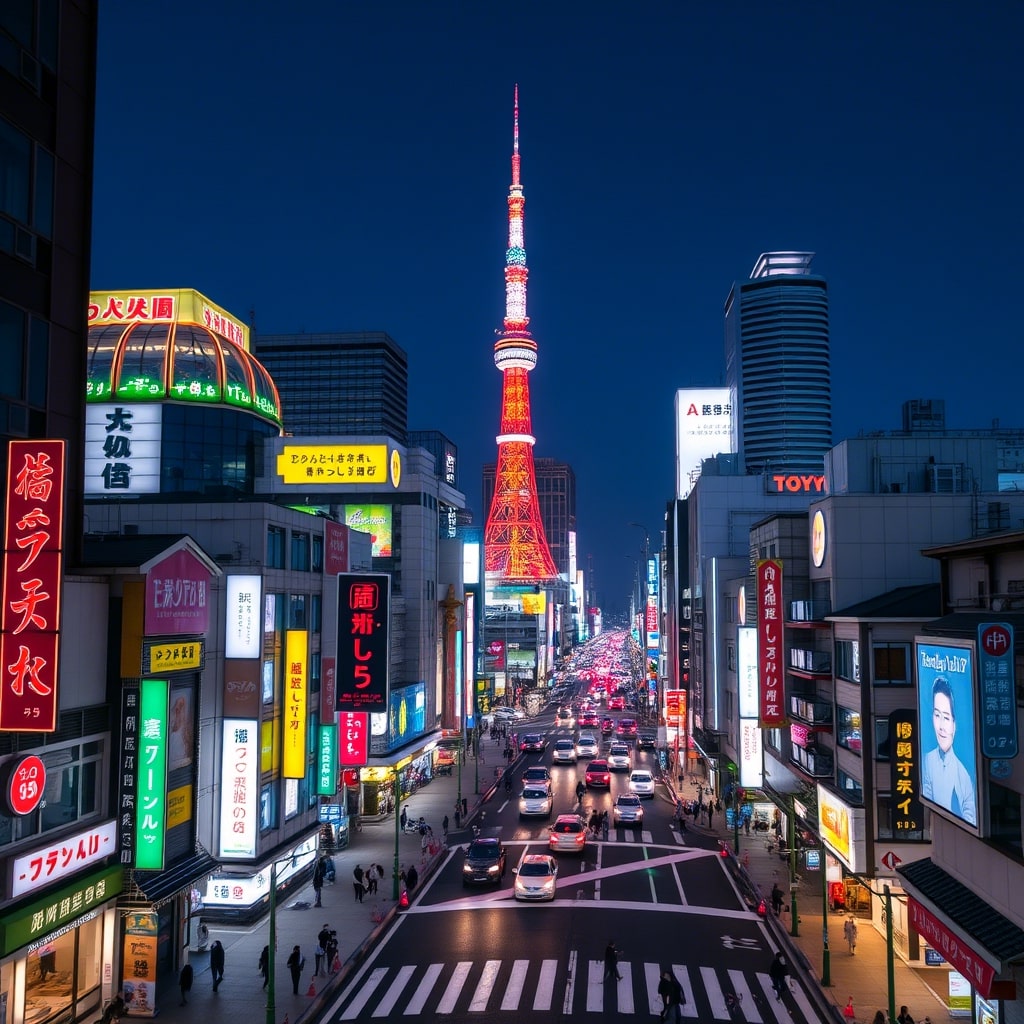
Its capital, Tokyo, is one of the world’s largest and most advanced cities, while places like Kyoto and Nara showcase the country’s rich historical and cultural heritage.

Japan is famous for its breathtaking natural beauty—from snow-capped mountains like Mount Fuji to bamboo forests and scenic coastlines. Despite limited arable land, Japan has become a global economic powerhouse, leading in fields like technology, electronics, and automobile manufacturing.

The official language is Japanese, and the currency is the yen (¥). Japanese society is known for its discipline, deep respect for tradition, and appreciation of beauty and simplicity.

Japanese History & Culture


Japan’s history stretches back thousands of years, beginning with prehistoric settlements dating back to around 36,000 BCE. By the 6th century, the islands were unified under an imperial rule, laying the foundation for the Japanese nation.

Throughout the centuries, military leaders (shoguns) and the warrior class (samurai) held real political power, shaping a culture centered on discipline, honor, and loyalty. During the Edo period (1603–1868), Japan adopted a policy of isolation, preserving its unique traditions. This ended in the 19th century, leading to a rapid era of modernization and industrial growth.

Today, Japanese culture is a fascinating blend of ancient customs and modern innovation. Traditional arts like tea ceremonies, kimono-wearing, and seasonal festivals remain deeply valued, while Japan has also become a global cultural force through anime, manga, and cutting-edge design and technology.

Tourist Attractions in Japan


Japan offers a breathtaking mix of natural beauty, rich history, and cutting-edge modernity—making it one of the most exciting travel destinations in the world. Whether you're drawn to ancient temples, cherry blossoms, or futuristic cities, Japan has something for everyone.

From the sacred Mount Fuji to the bustling streets of Tokyo, every corner of Japan tells a unique story. Top places to visit:

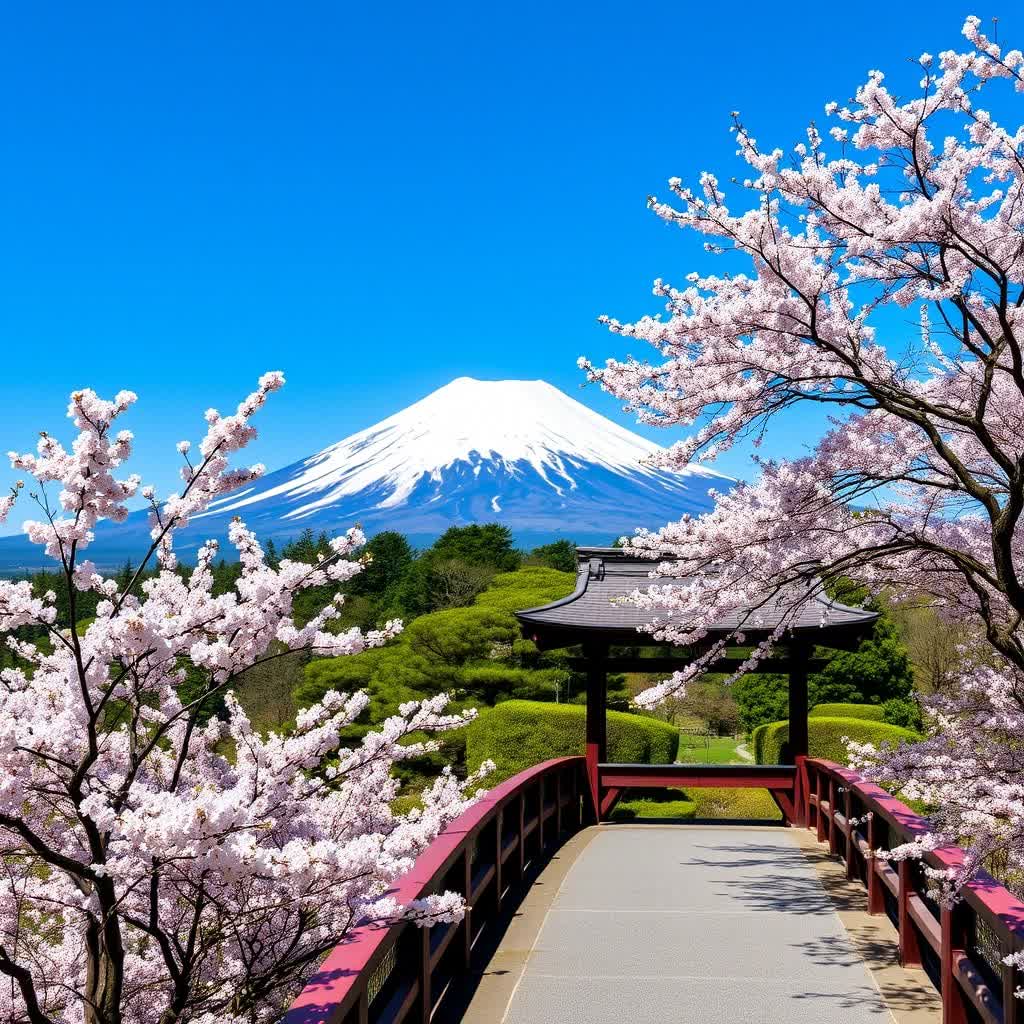
  • Mount Fuji – The iconic volcano and symbol of Japan’s natural beauty.
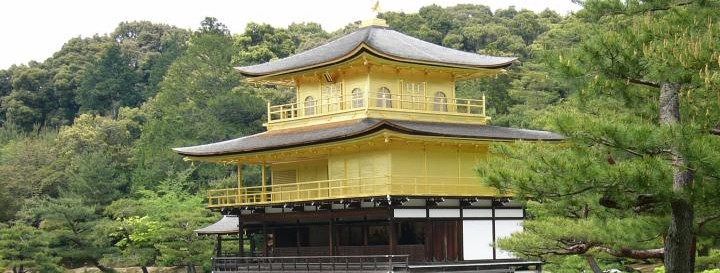
  • Kyoto & Nara Temples – Home to centuries-old shrines, gardens, and traditional culture.
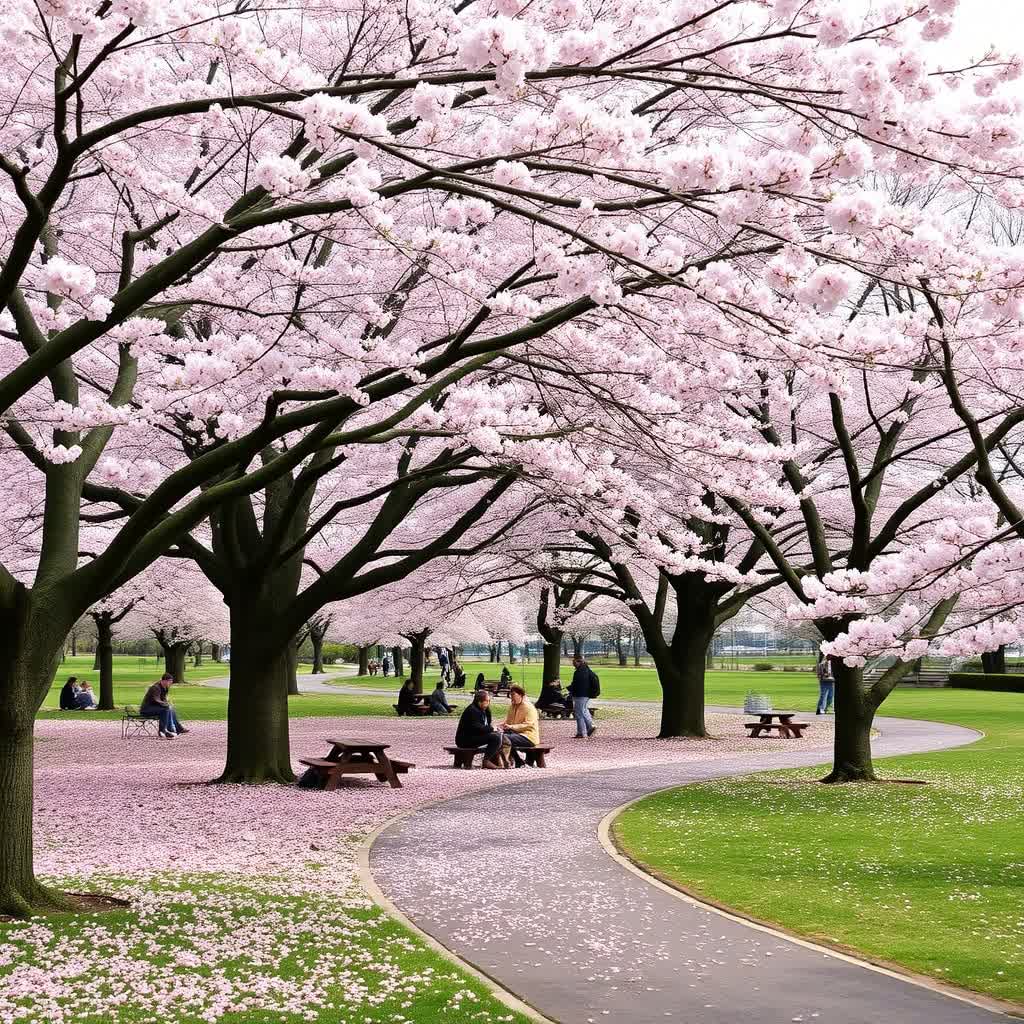
  • Sakura Parks – Breathtaking cherry blossom views in springtime.
  • Shinkansen (Bullet Train) – A fast, smooth ride and part of the Japanese experience.
  • Tokyo – A city of contrasts, blending high-tech wonders with ancient traditions.
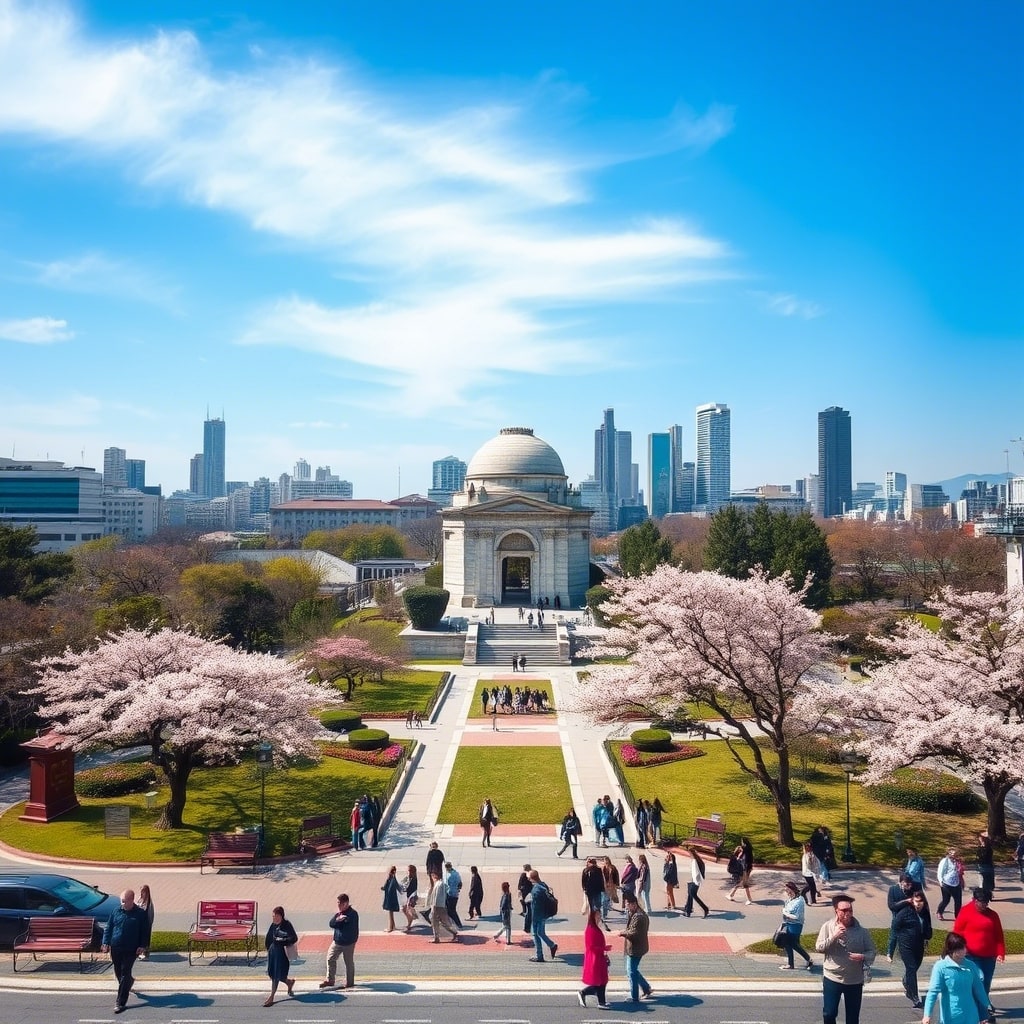
  • Hiroshima – A city of peace, reflection, and historical significance.
Japanese Cuisine


Japanese cuisine is a delightful fusion of fresh flavors, healthy dishes, and creative presentation. Known for its focus on seasonal ingredients and attention to detail, every meal in Japan is a unique culinary experience.

Popular Japanese dishes:

  • Sushi: The most famous Japanese dish, consisting of vinegared rice topped with fresh fish or seafood.
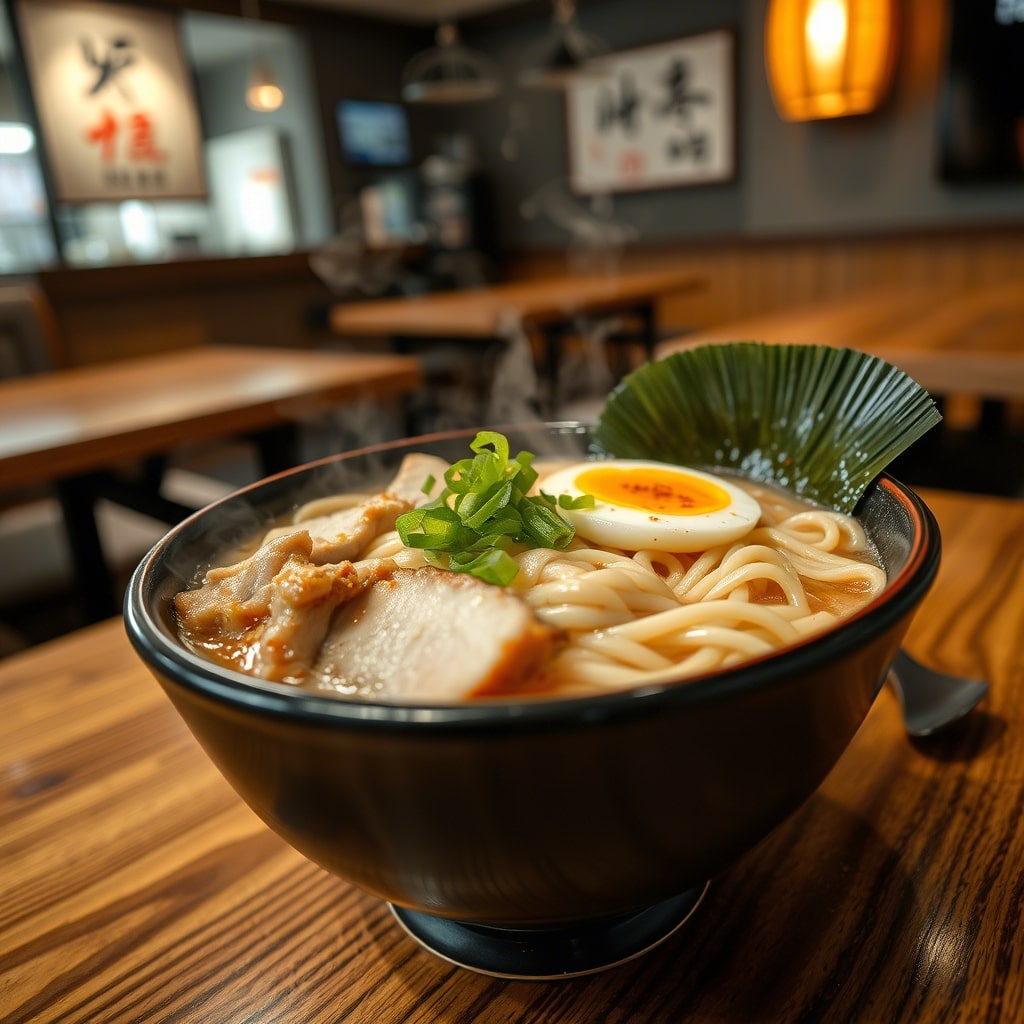
  • Ramen: A savory noodle soup with a variety of broths like chicken or pork, often served with toppings like boiled eggs, seaweed, and vegetables.
  • Tempura: Lightly battered and deep-fried vegetables and seafood, offering a crispy and delicate texture.
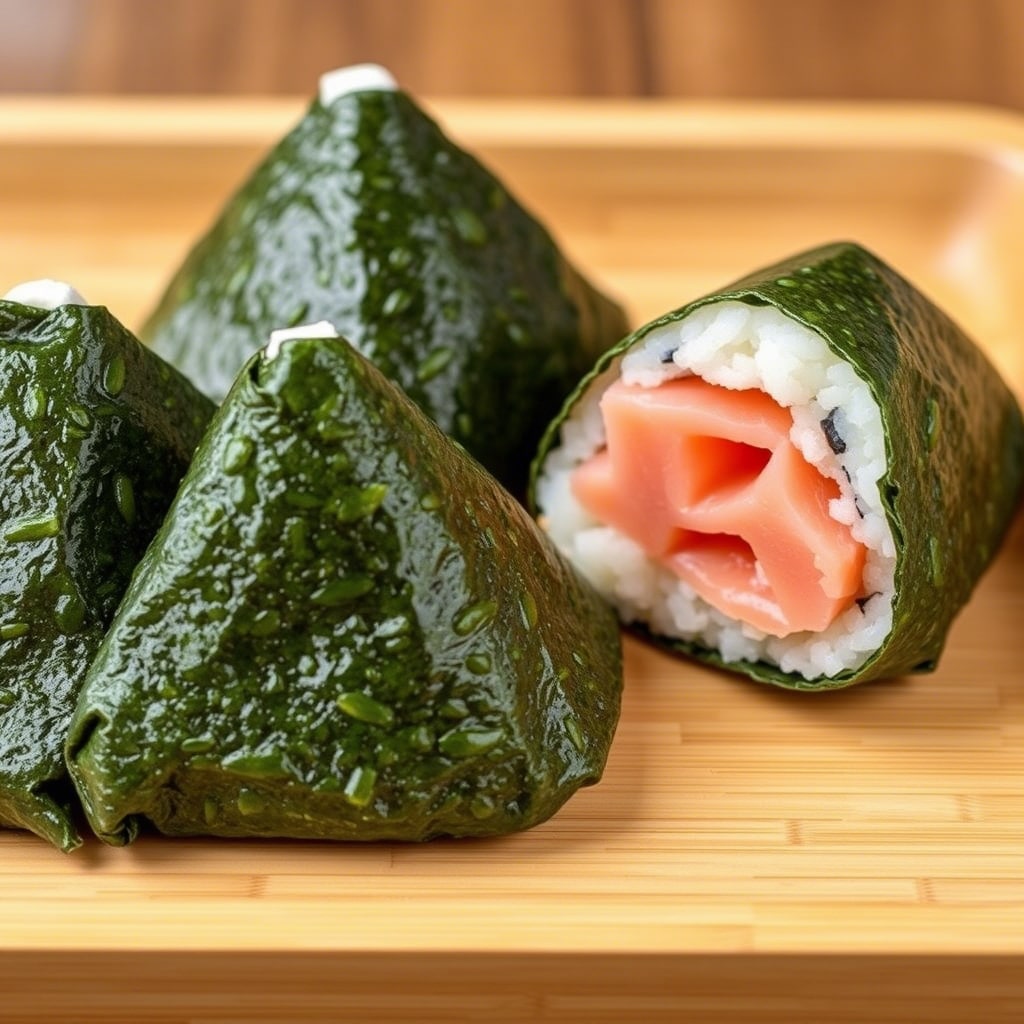
  • Onigiri: Rice balls filled with various ingredients like fish, meat, or pickles, often wrapped in seaweed.
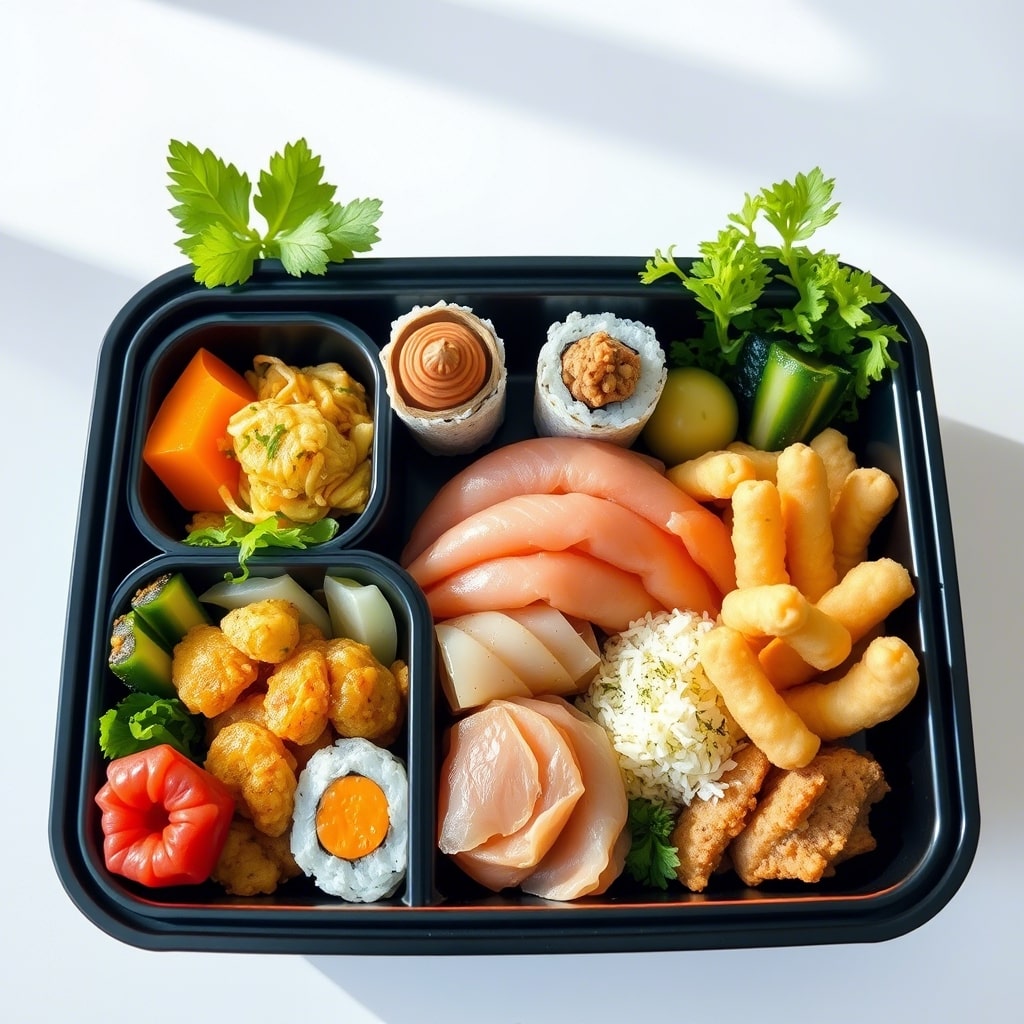
  • Bento: A traditional lunch box containing a variety of foods such as rice, fish, vegetables, and sometimes pickles.

Japanese Pop Culture


Japanese pop culture is one of the most influential and captivating cultural phenomena worldwide. It blends ancient traditions with modern innovations, creating a unique cultural landscape.

Key elements of Japanese pop culture:

  • Anime & Manga: Anime (animated TV shows and films) and manga (comics) are central to Japanese pop culture. These media have gained global popularity due to their complex stories, inspiring characters, and beautiful artwork.
  • Video Games: Japan is home to major gaming companies like Nintendo and Sony, and video games are an essential part of daily life, not just in Japan but across the world.
  • Japanese Music:Japan has a diverse music scene, ranging from popular rock bands like "J-Rock" to traditional music such as "Taiko" (Japanese drumming).
  • Traditional Festivals:Japan celebrates a variety of traditional festivals, such as the Sakura (Cherry Blossom) Festival in spring and the Gion Matsuri in Kyoto, reflecting the vibrant spirit of Japanese culture.
  • Japanese Drama:These television dramas offer a mix of genres, from romance to comedy, capturing the essence of everyday life in Japan.
  • Japanese pop culture offers a fascinating window into a world where imagination and reality blend seamlessly, creating a unique and enjoyable experience for all.

Economy & Technology in Japan


Japan is one of the world’s largest and most powerful economies, playing a significant role in the development of many global industries. It is especially renowned for its technological innovation, automotive industry, and electronics, making it a global economic powerhouse.

Key aspects of Japan’s economy and technology:

  • Automobile Industry:Japan leads the world with car brands like Toyota, Honda, and Nissan, known for innovation and efficiency.
  • Electronics:Global tech giants like Sony and Toshiba make Japan a hub for advanced gadgets.
  • Robotics:Japan excels in robotics used in industries, healthcare, and education.
  • Shinkansen (Bullet Trains):Japan’s bullet trains are fast, reliable, and connect major cities efficiently.
  • Technological Innovation:Japan pioneers in AI, green tech, and renewable energy solutions.
  • The Japanese economy continues to grow and thrive, driven by these innovative industries, maintaining its status as one of the world’s leading nations.